 Local Service Mastery
A home service owner asked this on our weekly group call: “Should I ask Google to credit me for bad or spam Local Service Ads leads, or does that hurt my account?” If that sounds like your business, this post is for you.
I’m Lior Vaknin. I’ve spent 15 years running marketing for home service businesses, and every week I answer questions like this one live with our members. I’ll give you five rules, and the fifth is the one that protects your business if the leads ever dry up, so read to the end.
Asked on our weekly group call: “Should I ask Google to credit me for bad or spam Local Service Ads leads, or does that hurt my account?”
Short answer: never ask Google for a credit yourself, because asking can hurt your Local Service Ads performance. If Google credits you on its own, that’s fine, so take it happily. Use the feedback survey to tell Google about bad leads, and leave the disputing alone.
How Local Service Ads lead credits work
Before the rules, here is how the system works. Google screens leads automatically, and according to Google’s lead credit help page, “Charged leads get reassessed by our models over time” and may be credited automatically if they are later judged to be low quality. You don’t have to do anything for that to happen.
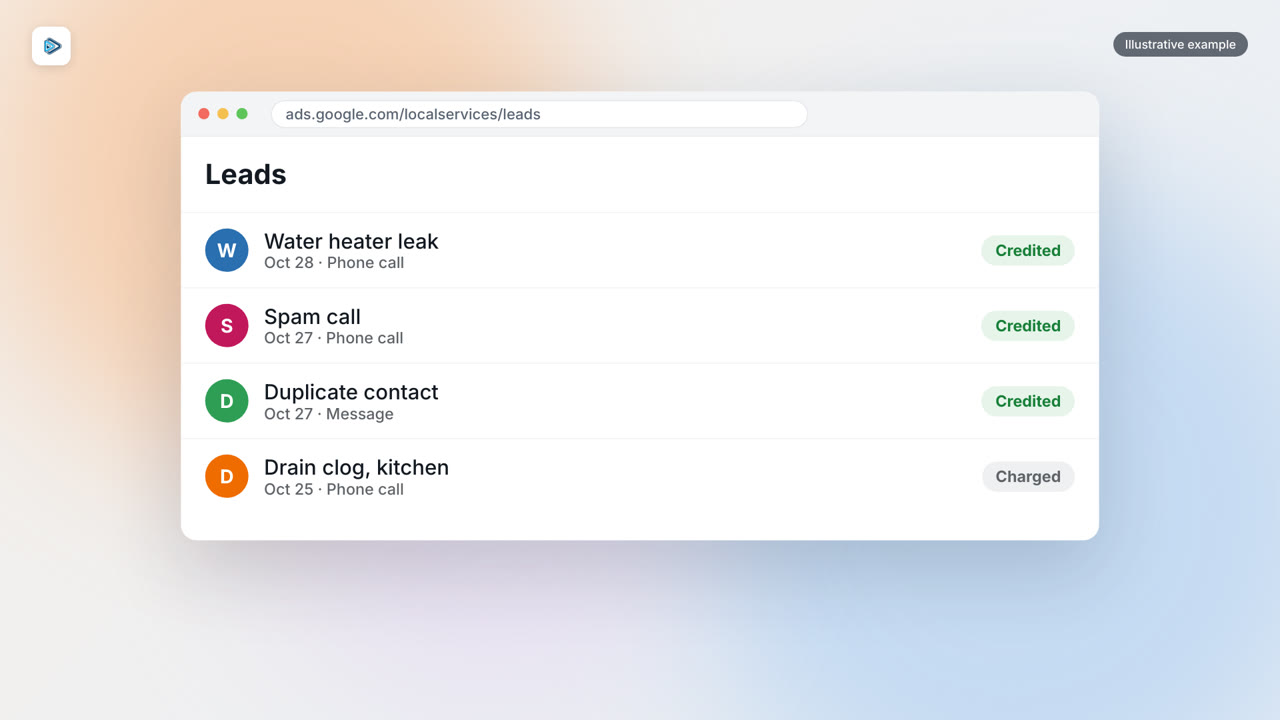
There is one more change to know about. In accounts moved to Performance Max with pay per lead goals, Google says “Manual lead disputes are no longer supported.” So if you were hoping to dispute an LSA lead the old way, that option may not even exist in your account anymore.
Rule 1: Never ask manually
Rule one is the answer to your question. Never ask Google for a credit yourself, because asking can hurt your Local Service Ads performance. I know it feels like you are only asking for what you are owed, but the risk is real.
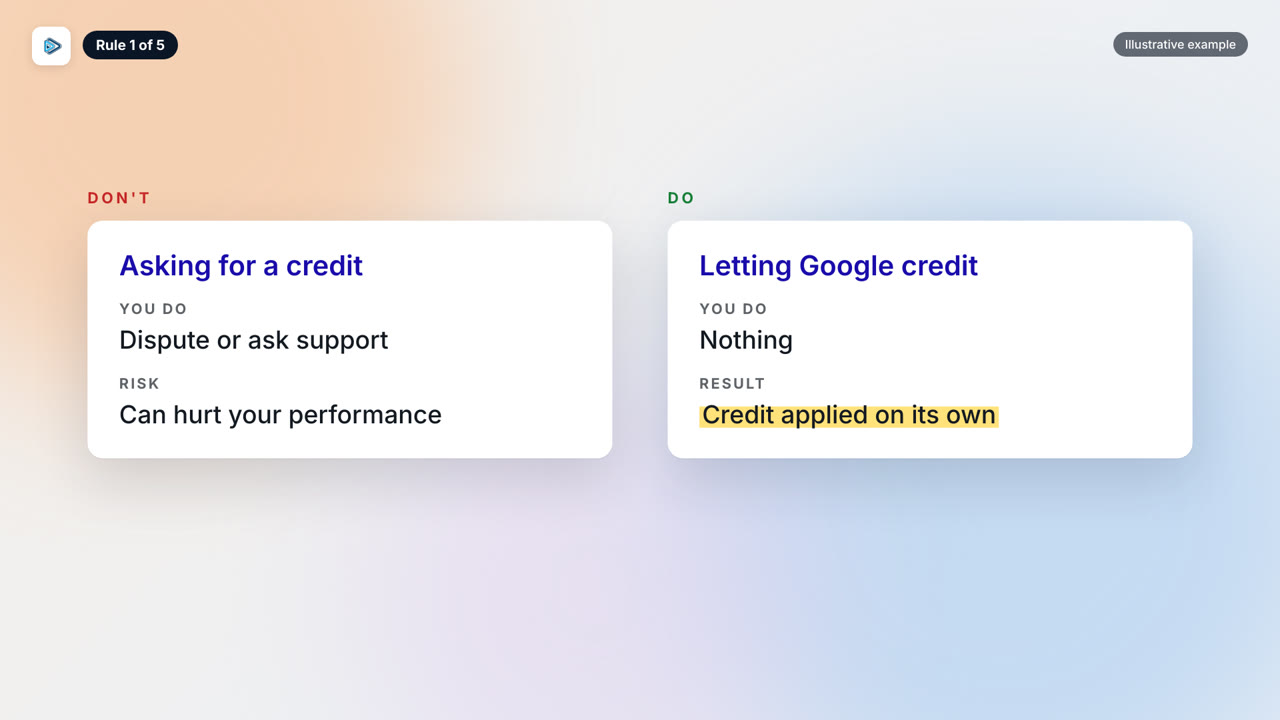
Google’s policies prohibit “Attempting to trick our systems or support channels in an attempt to get credits for valid leads.” That is the real danger with disputing. A lead you think is bad may look valid to Google, and then your request can look like an attempt to game the system.
If Google credits you on its own, that’s fine. Take that credit happily and leave the asking alone. And don’t archive or dispute leads just to chase a credit, because disputing bad leads can backfire and hurt your account.
Rule 2: Let Google credit
Rule two is to let Google do the work. According to Google’s lead quality page, “Google’s automated systems proactively filter out invalid activity” such as spam or duplicate contacts, and “machine learning models automatically credit” low quality leads. So a lot of the junk never reaches you, and some of what does reach you gets credited anyway.
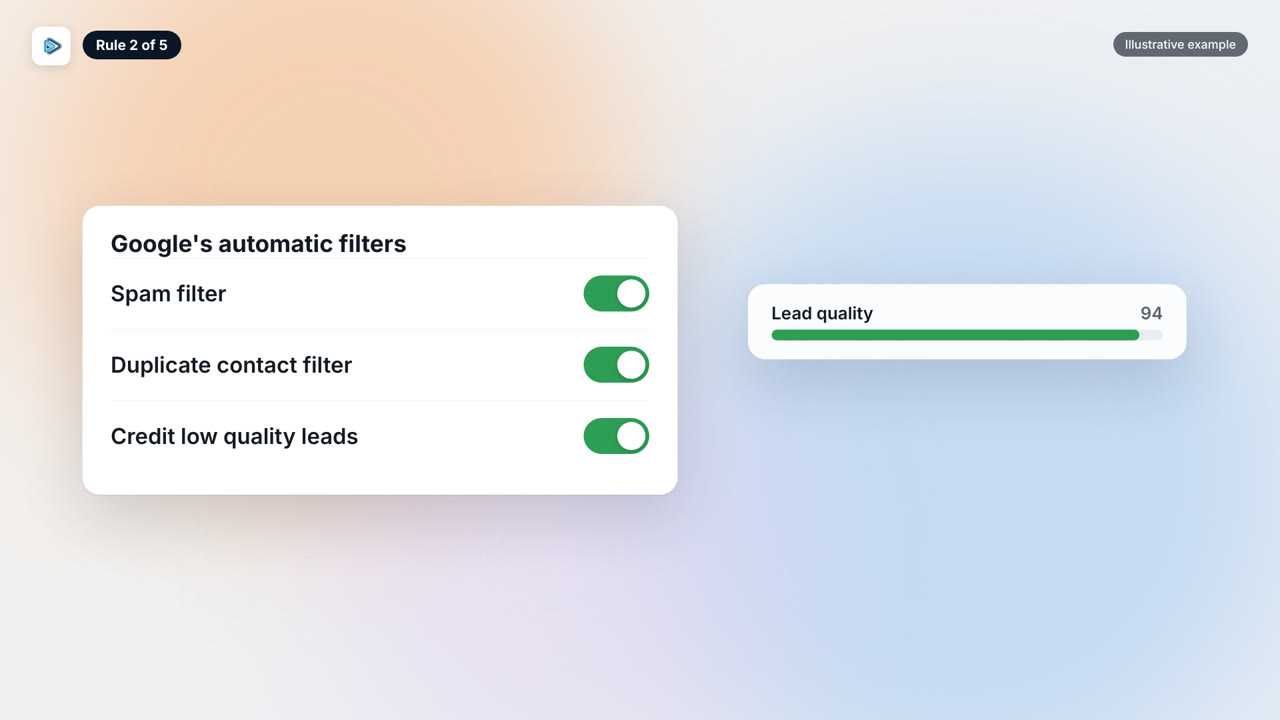
Google also assesses each lead for 30 days, and if a lead is poor, duplicate or invalid, “a credit is automatically applied to your account balance.” There is no request for you to file.
Be patient. Google says “In most cases, credits will be applied to your account balance within 30 days.” The original charge will still appear on your invoice, so don’t panic when you see it. The credit lands on your balance separately.
Rule 3: Use the survey
Rule three is the feedback survey on each lead. This is Google’s way to hear about bad leads. Think of it as a feedback tool and not a refund button.
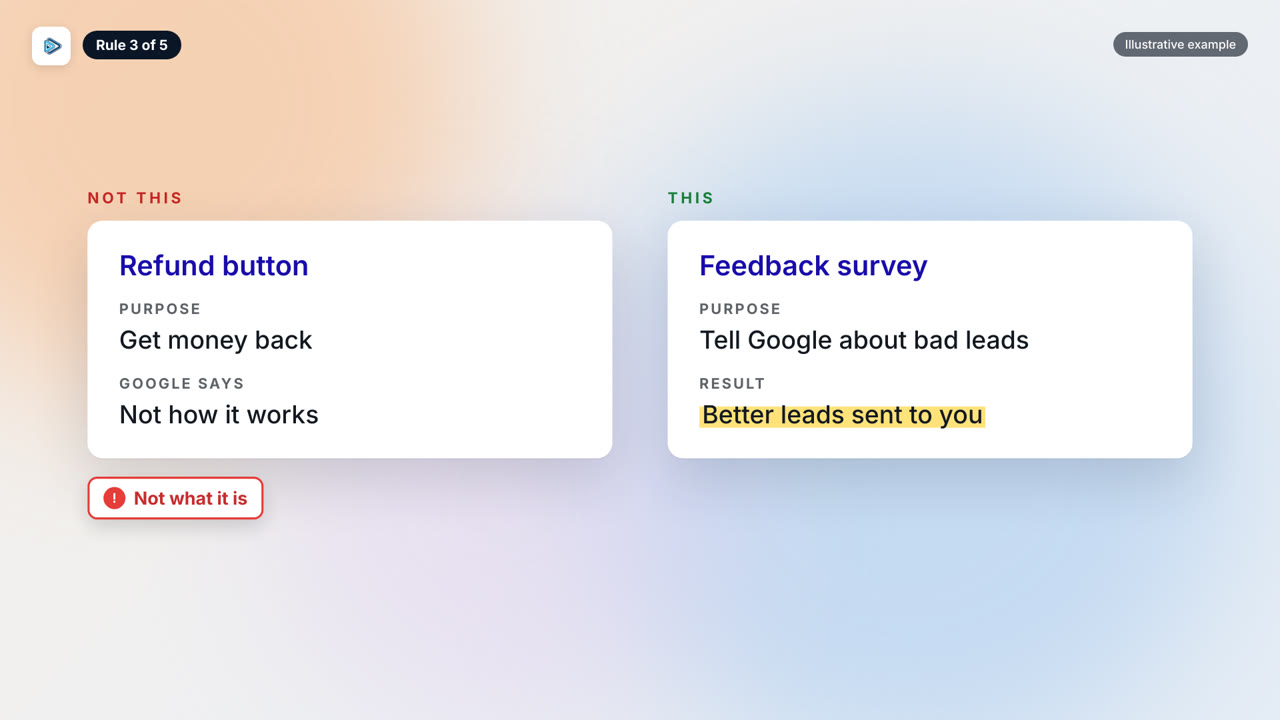
Google says on the same lead quality page: “We may also occasionally credit leads you report as poor quality through this survey.” Notice the words “may” and “occasionally.” A credit is possible, but it is not the point.
The real win is that your feedback helps Google send you better leads. So answer the survey honestly, move on, and don’t turn it into a campaign to win credits. If you are asking how to handle LSA spam calls, this is the right habit: report it through the survey, let the filters work, and keep your focus on the leads that matter.
Rule 4: Cut it at the source
Rule four is to cut bad leads at the source. Google’s own fix for unwanted leads is to narrow your service areas, categories and job types. Google says “Narrowing your targets can help attract your ideal customers, though it may reduce overall lead volume.”
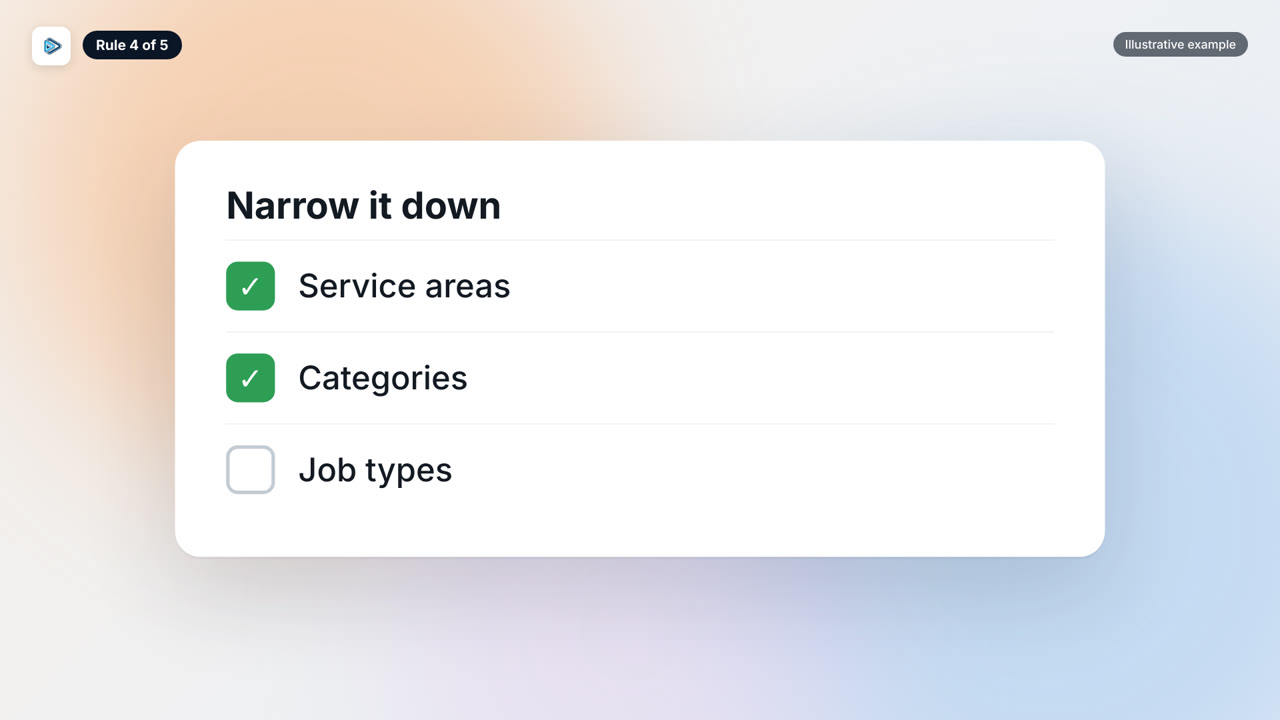
That trade is real. You may get fewer leads, but they can be better fits for the work you actually want. For many owners that is a trade worth making, especially if you keep getting calls for jobs you don’t do or areas you don’t serve.
And keep answering calls and messages. Google states, “If you regularly fail to answer calls or respond to messages, your ad ranking may be affected.” Missed calls can hurt you more than any single bad lead.
Rule 5: Your backup plan
Rule five is the one I promised you. Leaning on one platform for all your leads is the real risk, not bad leads.
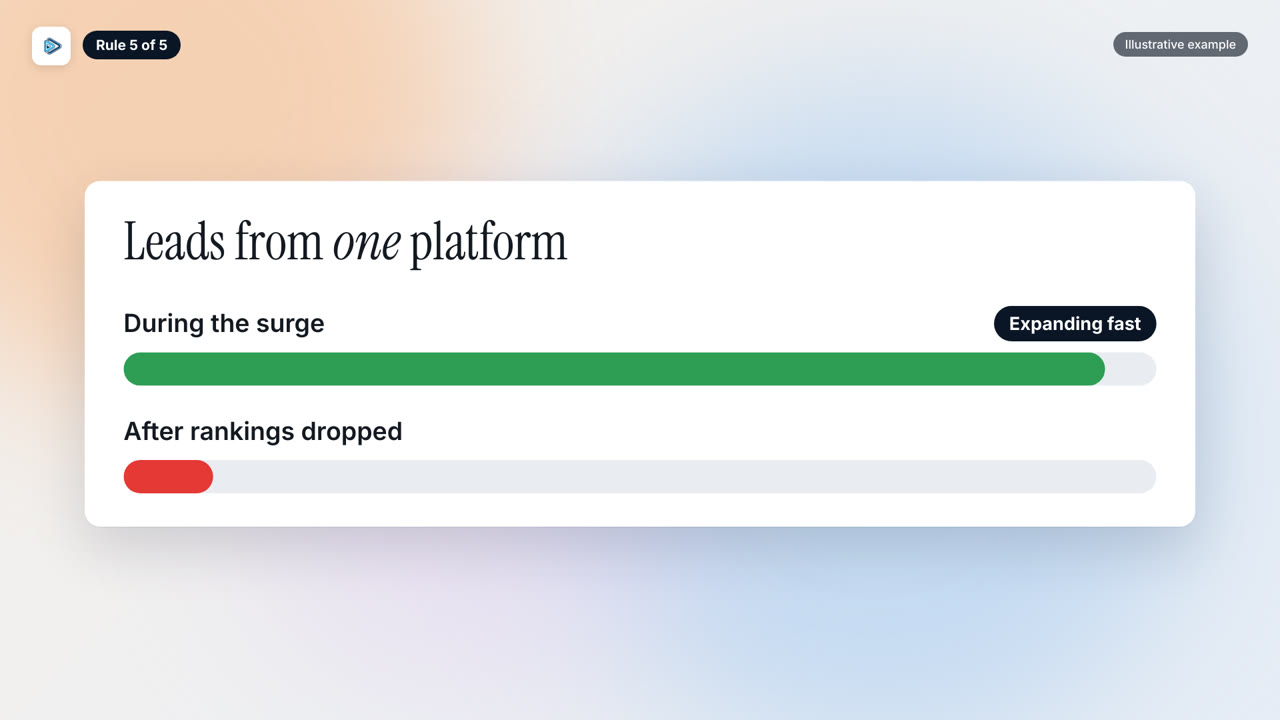
I’ve seen businesses expand fast on a surge of leads, then almost go bankrupt when they stopped showing in the rankings. The growth felt great until the leads stopped, and then the whole company was exposed.
Google doesn’t always have clear answers or solutions when that happens. So don’t hand your whole pipeline to one platform and hope it works out. Build other ways to get customers while the leads are flowing, not after they stop.
And if the campaign isn’t working, shutting it off may be a smarter move than fighting Google over credits. Your time is better spent protecting your business than arguing over a few charges.