 Local Service Mastery
“My Facebook ads bring in a lot of price shoppers who waste my time. How can I get better quality leads?” A home service owner asked exactly that on our weekly group call, and if it sounds like your business, this post is for you.
I’m Lior Vaknin. I’ve spent 15 years running marketing for home service businesses, and every week I answer questions like this one live with our members. Below are five fixes from Meta’s own guidance and my experience, and the last one keeps working while you’re busy on a job.
Asked on our weekly group call: “My Facebook ads bring in a lot of price shoppers who waste my time. How can I get better quality leads?”
Short answer: Lead ads chase volume by default, so you have to choose settings and messages that favor higher intent. Filter in the form, in the ad, in the audience and in the follow up, and fix the filter before you think about quitting Facebook.
Why Facebook ads attract price shoppers
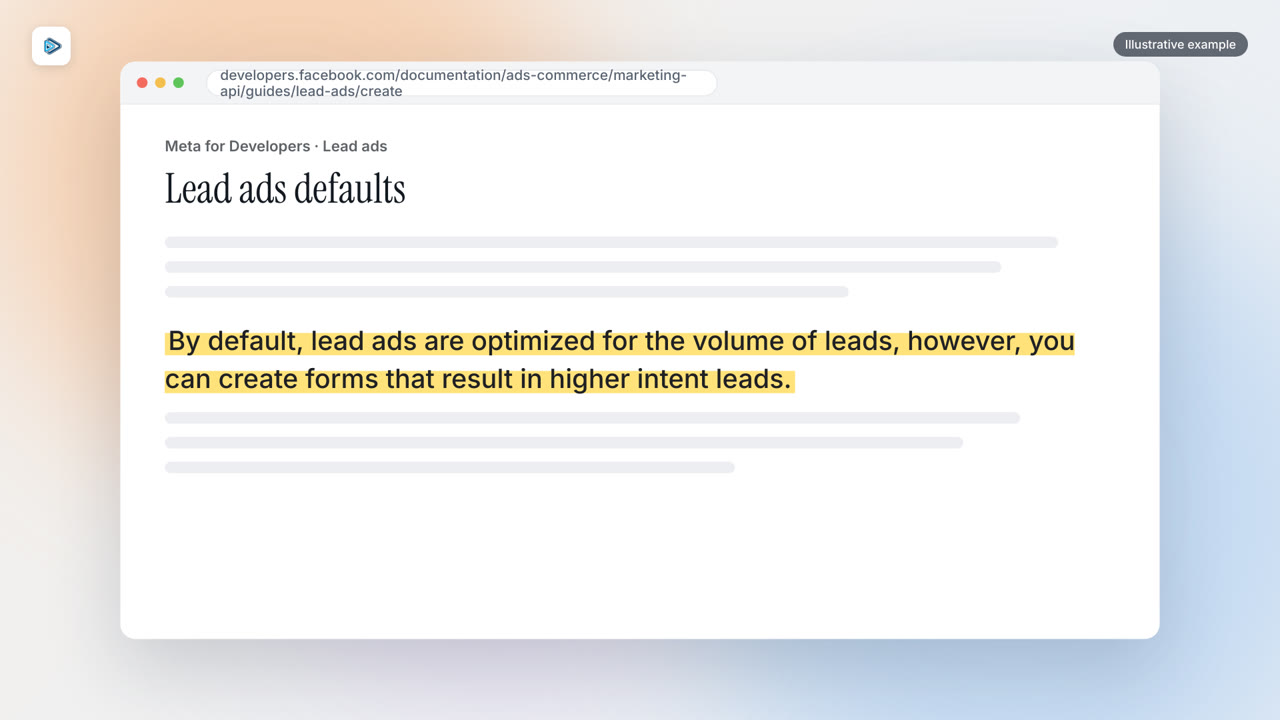
Start with how the system works. Meta’s lead ads documentation says: “By default, lead ads are optimized for the volume of leads, however, you can create forms that result in higher intent leads.” (Meta lead ads documentation)
In plain words, if you leave the defaults alone, Facebook is happy to bring you as many people as possible, including people who only want a quick number. That is not a flaw in your business. Lead quality is something you set up on purpose, and the five fixes below show you where.
Fix 1: Higher intent form
The first change takes only a few minutes. In your lead form settings, switch to the Higher Intent type. Meta describes it this way: “Use Higher Intent to add a review step that gives people a chance to confirm their information.” (Meta Business Help)
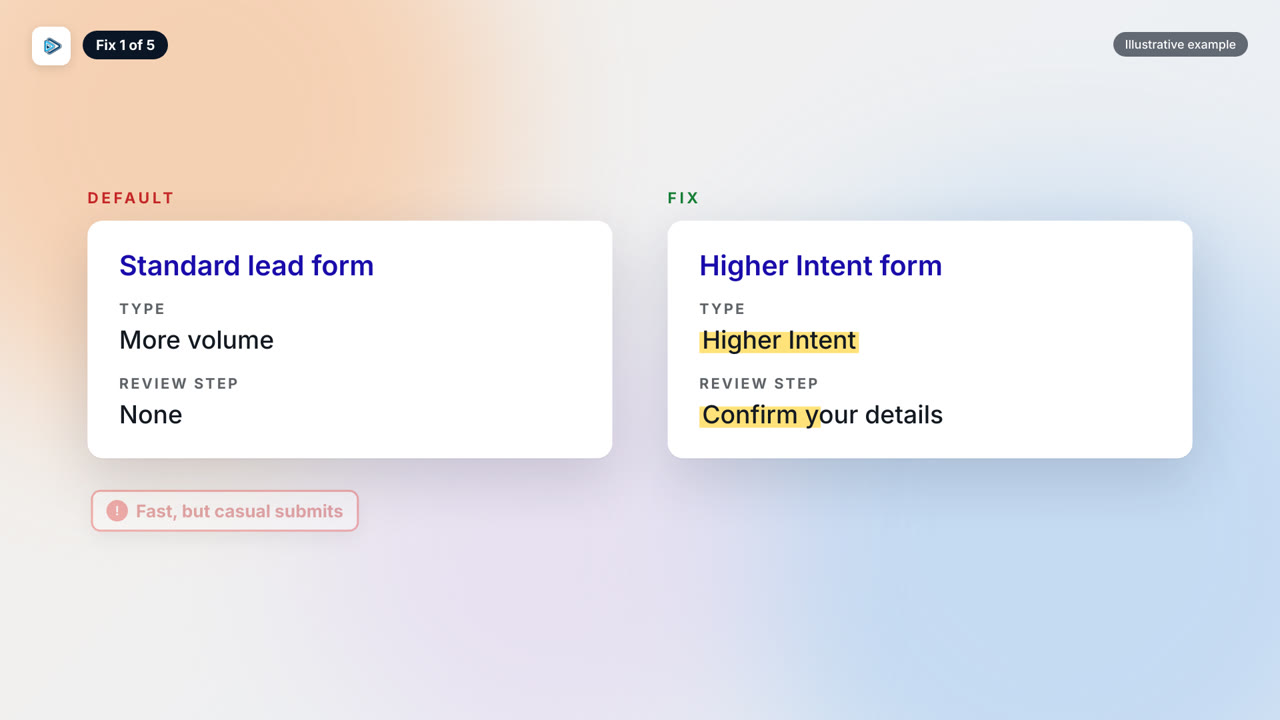
That review step is a small piece of friction. Someone who tapped casually has to stop and confirm their details before they submit, and that tends to filter out casual submitters. Serious homeowners barely notice it.
Next, add phone verification. Meta says: “To help reduce spam and collect real contact information, advertisers can require prospective leads to verify their phone number with a new SMS verification feature.” (Meta for Business) A text message check cuts spam and fake contact details before they ever reach your phone.
Fix 2: Filter in your ad
You can filter before anyone ever responds. Use your ad message to do the screening for you. Say clearly that you want homeowners, and name the neighborhoods, area or zip codes you serve.
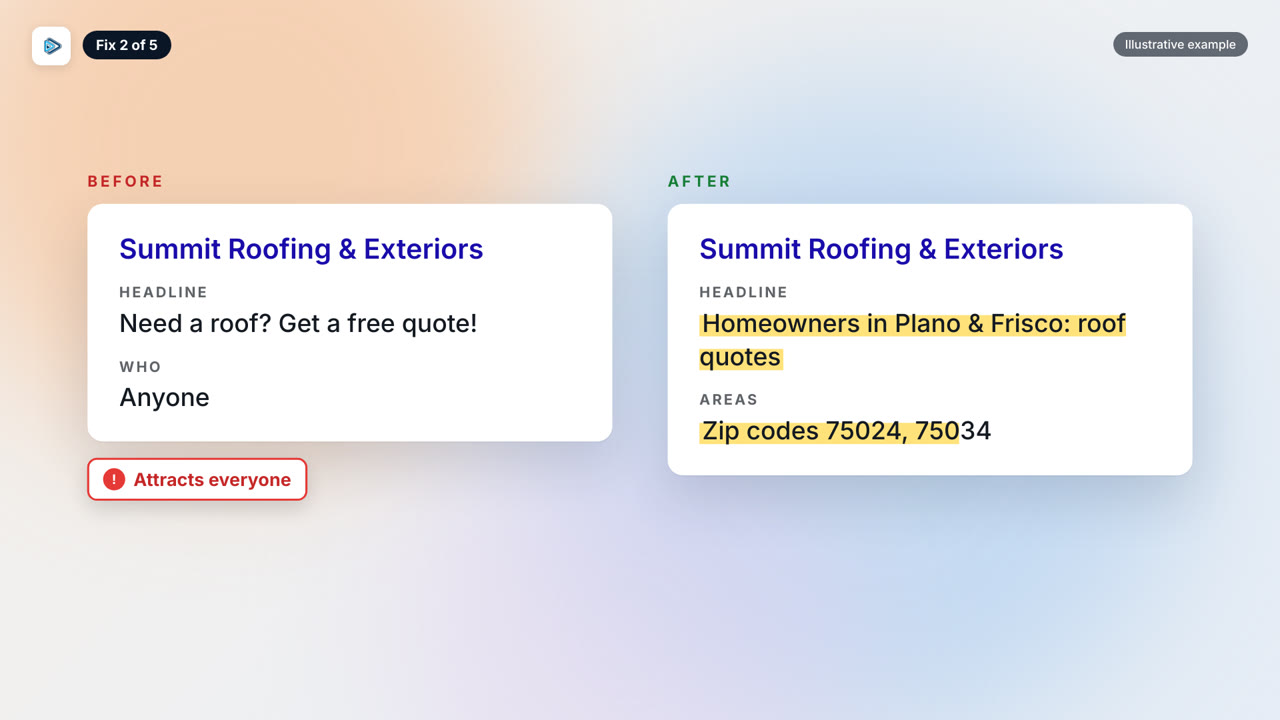
When the ad says who you work for and where, people who are outside your area or not homeowners tend to scroll past instead of raising their hand. That means fewer wasted calls and fewer leads you have to politely turn down.
Be realistic, though. Facebook will always bring some irrelevant people, so don’t expect it to be perfect. The goal is far fewer of them, not zero.
And a warning I gave on the call: giving up on Facebook ads too quickly is a mistake. If the leads are poor, fix the filter first, then judge the channel.
Fix 3: Audience from customers
The audience you build matters as much as the ad. For lead ads, Meta’s guidance is direct: “For lead ads, we recommend using an audience based on existing customers rather than those who have submitted a form” (Meta Business Help).
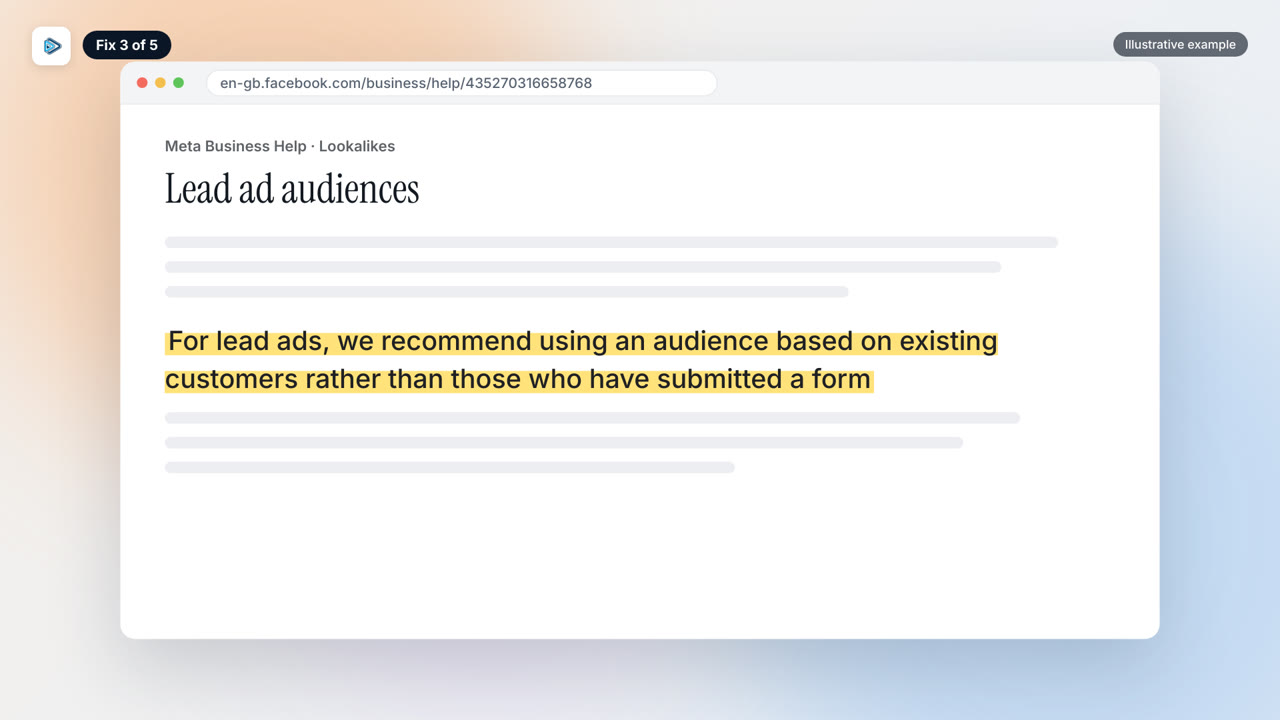
The reasoning is simple. If you build a lookalike audience from everyone who filled out a form, you are teaching Facebook to find more people like your price shoppers. If you build it from the customers who actually paid you, delivery aims at people who resemble your real buyers.
So go through your customer list and build the audience from the people who hired you and paid, not from every name that ever came through a form. It is the same ad budget pointed at a better group of people.
Fix 4: Build trust first
Part of the issue is your offer, not just the leads. Homeowners are terrified of getting ripped off by a contractor, and a person who feels that fear will shop on price because price is the only thing they can compare. Your job is to shrink that fear to the minimum.
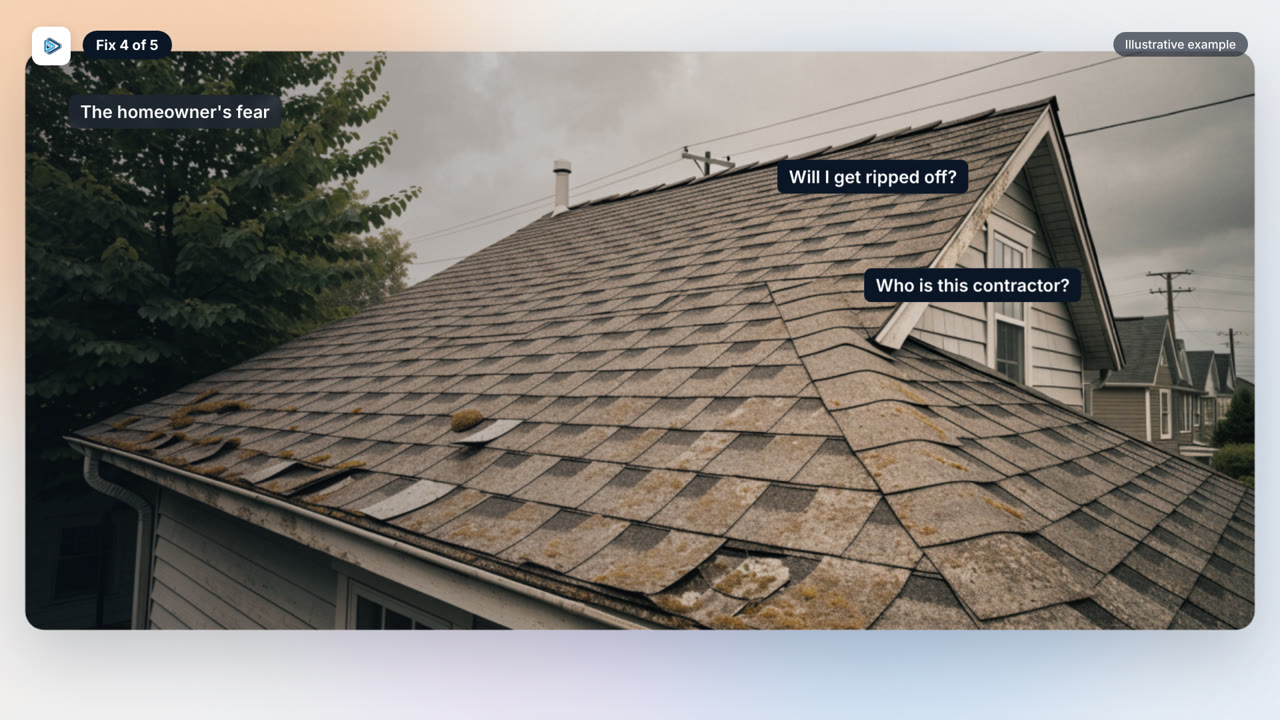
The way to do it is to let people see you. Post more video so homeowners feel they know you and not just a contractor. A face and a voice build familiarity long before the first phone call.
Then add client video testimonials. Hearing a real customer say the job went well does more to calm that fear than any claim you make about yourself. Brand building today requires content, and a trusted name attracts fewer people who only want the lowest number.
Fix 5: Automated chat
Here is the one I promised: stop chasing every lead and let an automated chat filter them before you ever talk. Offer a free resource, like a checklist of the ten most important things to know before buying, and run it through an automated chat sequence.
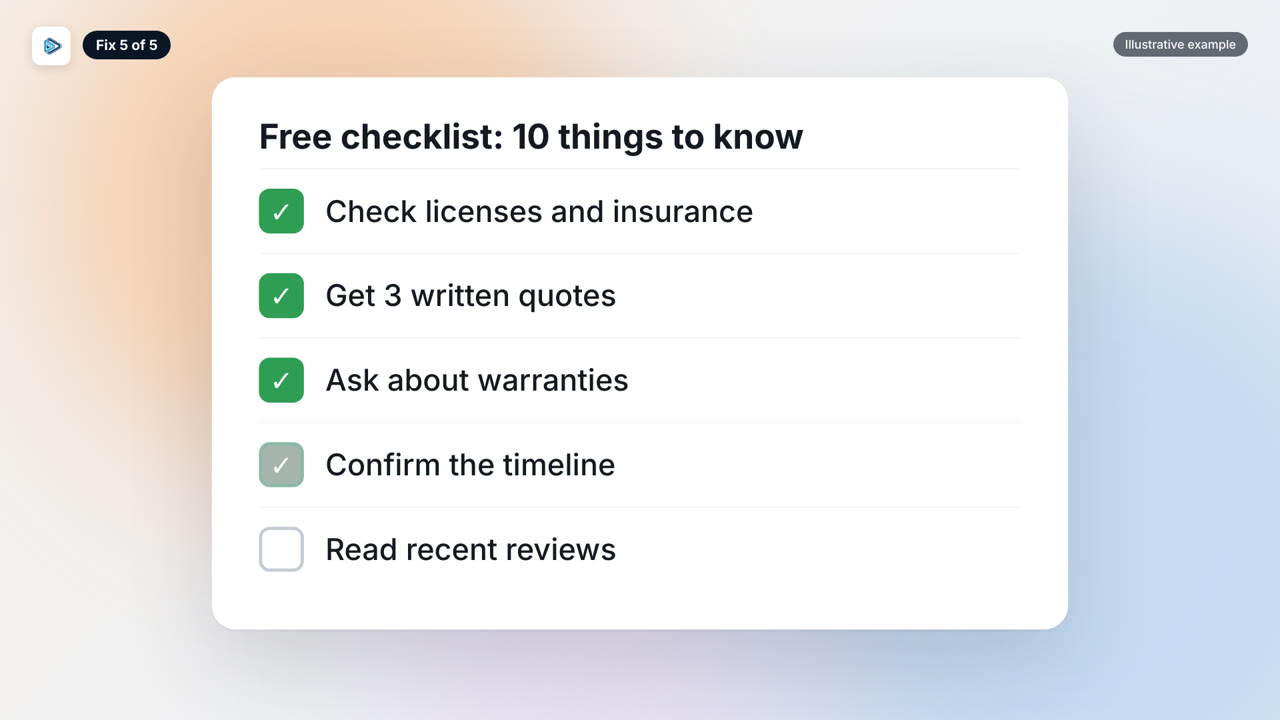
The automation filters out people who only want free information, with no manual work and no call needed. A human steps in only after someone says they are interested, so your time goes to people who have raised their hand twice.
It also captures emails and starts conversations, so you build a pipeline you can follow up on, even with people who are not ready today. Some tire kickers and price shoppers will still get through, but far fewer. This is the fix that keeps working while you are busy on a job.