 Local Service Mastery
A home service owner asked this on our weekly group call: “Why don’t marketing agencies run Facebook ads or retargeting for roofers, and why do they get so little out of the Google Ads they do run?” If that sounds like your roofing business, this post gives you five fixes drawn from agency accounts I’ve opened.
I’m Lior Vaknin. I’ve spent 15 years running marketing for home service businesses, and every week I answer questions like this one live with our members. The last fix explains why so many owners keep switching agencies and nothing ever changes, so read through to the end.
Asked on our weekly group call: “Why don’t marketing agencies run Facebook ads or retargeting for roofers, and why do they get so little out of the Google Ads they do run?”
Short answer: a lot of it is plain incompetence, because plenty of agencies are run by people who watched a few YouTube videos. Many others sign up as many clients as they can and hand them to a junior account manager who just puts out fires. The five fixes below show you what to check in your own account, including the retargeting many agencies skip.
How Facebook retargeting works
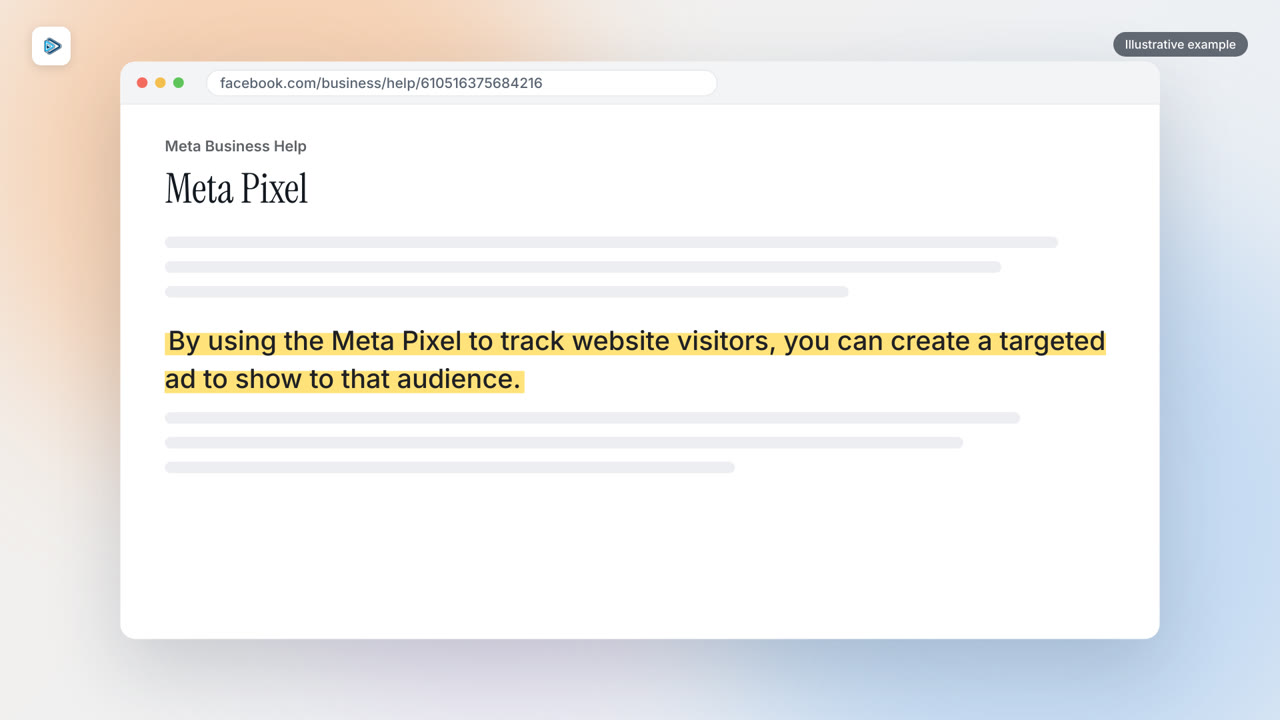
Here is the quick version. You put the Meta Pixel on your website, and it tracks the people who visit. Meta describes it this way on its business help page: “By using the Meta Pixel to track website visitors, you can create a targeted ad to show to that audience.”
Why does that matter for a roofer? With a roughly 10% ad conversion rate, nine of ten people who wanted a roofer never called. Those nine are the audience retargeting goes after. Without it, you paid to bring them to your site and then let them disappear.
Fix 1: Track every call
The first fix is the setup that often goes wrong in agency accounts. Make sure every call and every form is tracked. Google is direct about this in its Smart Bidding guidance: “To use Google Ads Smart Bidding, you need to have conversion tracking enabled.” If your calls and forms are not tracked properly, Google has nothing to optimize toward.
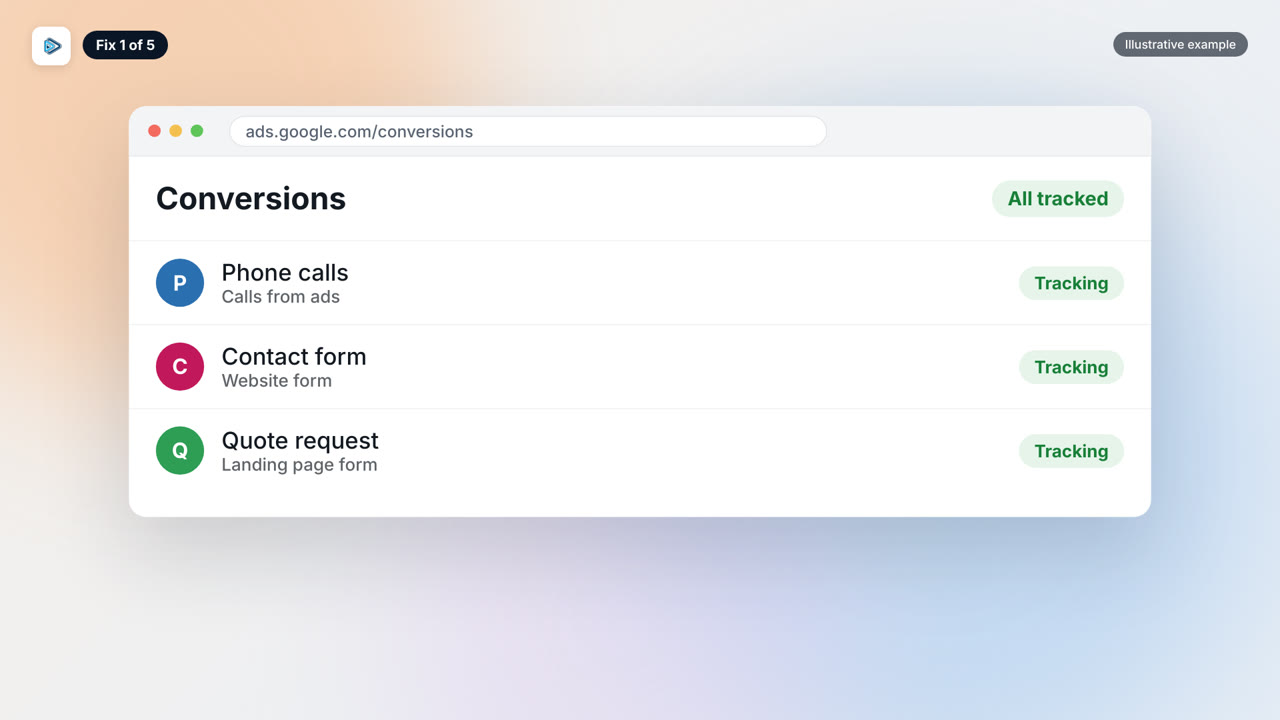
Also check how your conversion actions are labeled. Google warns in its help documentation that “Misconfiguring these settings can prevent Smart Bidding from optimizing effectively, as the algorithm relies on these signals to improve your campaign performance.” Setting actions as primary or secondary the wrong way is a common error in agency run accounts. Ask your agency to show you exactly which actions are counted and how each one is set.
Fix 2: Count real jobs
Not every call is worth paying for. Some calls never turn into a roof, and a campaign that treats all calls the same will keep buying more of them.
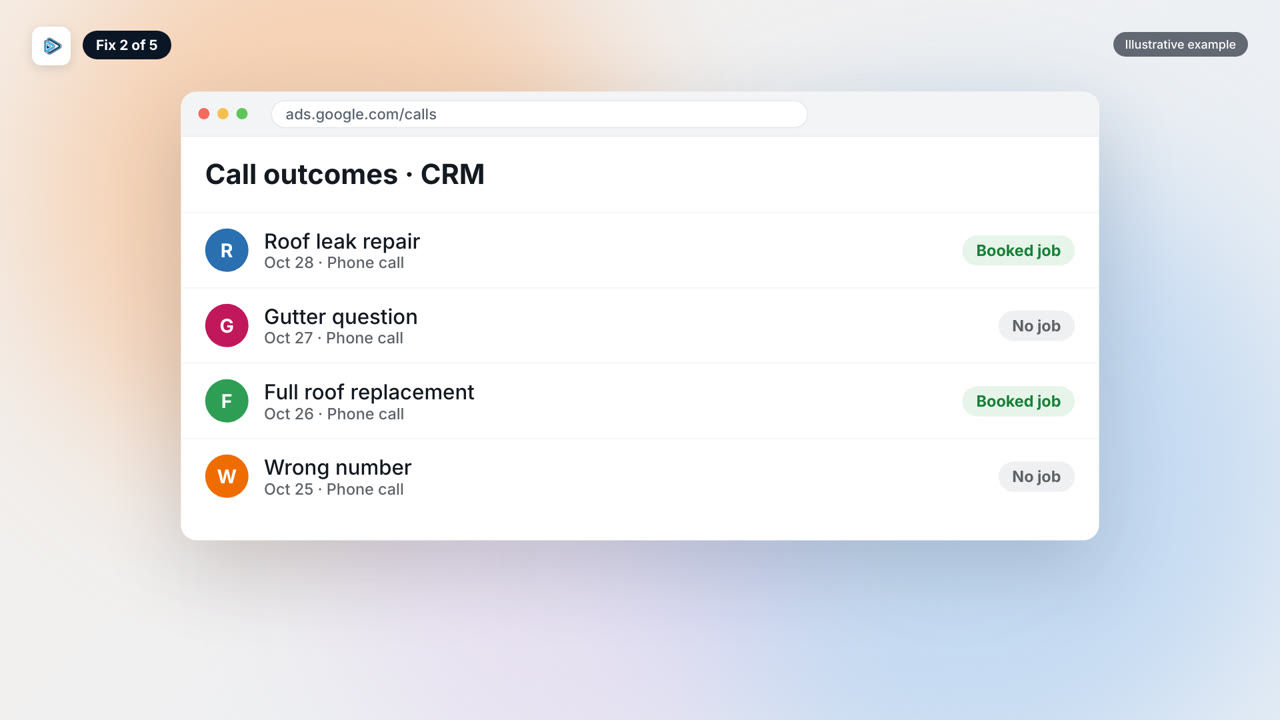
For a phone driven business like roofing, Google lets you import call outcomes from your CRM. In Google’s words, from its call conversion guide: “By importing call conversion information into Google Ads, you can track when phone calls lead to sales or other valuable customer actions.” That lets your ads optimize toward booked work, not just any call.
This is a question worth asking your agency directly: are you sending booked jobs back to Google, or only counting raw calls? The answer tells you a lot about how the account is being run.
Fix 3: Judge over a month
Many owners judge their Google Ads after a week or two and then fire the agency, or panic and change everything. That is a trap for a local account with low volume.
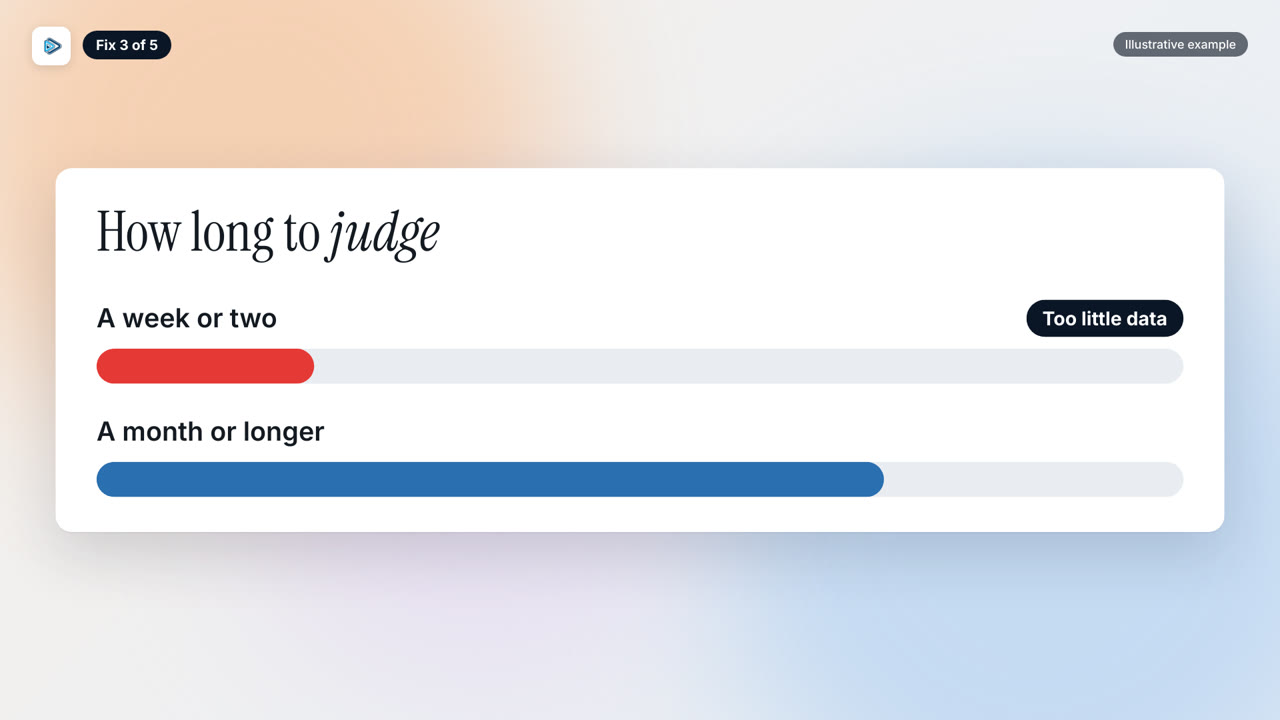
Google recommends a longer window. Its guidance says: “Google Ads recommends measuring performance over longer time periods that have at least 30 conversions, such as a month or longer (50 conversions for Target ROAS).” A roofing account can look terrible one week and fine the next, simply because the numbers are small.
So ask your agency for a monthly report that shows real calls and booked jobs. A report full of clicks and impressions does not tell you whether the account is working for your business.
Fix 4: Retarget your visitors
This is the fix many agencies skip. Keep showing ads to the people who visited your site and did not call. The budget is modest: about $5 to $10 a day on Facebook.
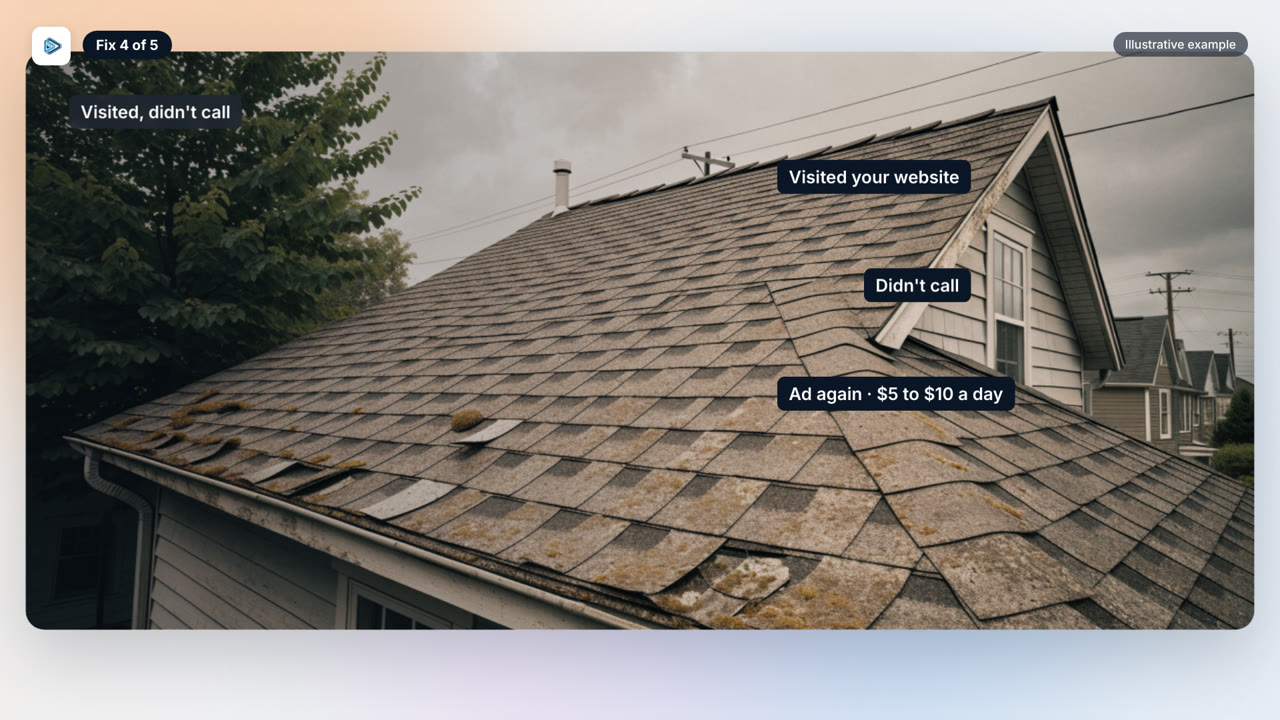
Why does it help? You may book those people later, because you stay in their mind when they finally decide. Remember, nine of ten people who wanted a roofer never called the first time.
Honestly, a lot of the reason agencies skip it is incompetence. Retargeting is also not only a Facebook tool. Google has its own remarketing for Search, which lets you “Show ads to your past visitors” when they search again, “after leaving your website,” as described in Google’s remarketing overview. If your agency runs neither, ask why.
Fix 5: Your own accounts
This is the one I promised you. It explains why you keep switching agencies and nothing ever changes. Lior calls it the standard agency playbook: you are onboarded by the founder or a sales director, then handed to a junior account manager who just puts out fires.
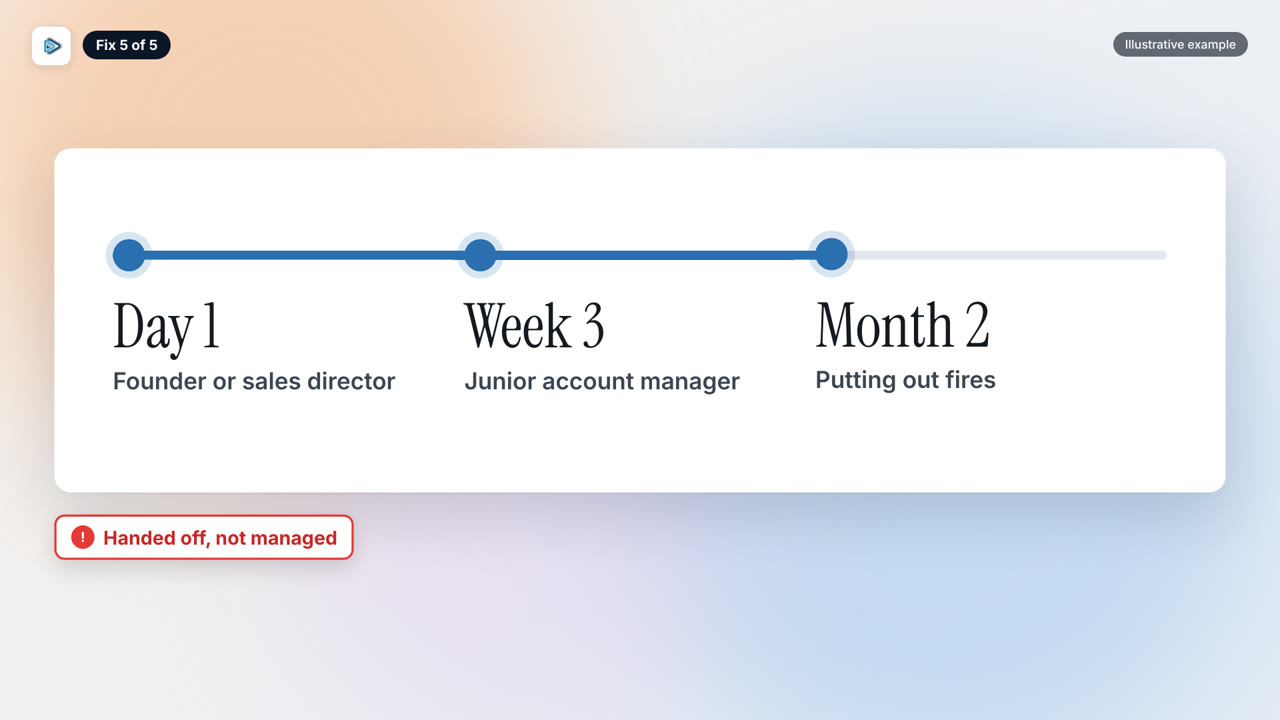
The agency typically gets six to twelve months before you start asking questions. Switching costs are high, so many owners stay, or move from bad to worse. Running the same experiment again and expecting a different outcome will not work.
The way out is ownership. Keep your ad account and landing pages in your own name. Google’s account linking help says: “The client account still owns its data and has the ability to remove ownership access by unlinking.” When the account is yours, leaving an agency gets cheap, and the agency knows it.