 Local Service Mastery
A home service owner asked this on our weekly group call: “I’m getting tired of the daily work. How do I set my business up so I can step back or sell it?” If that sounds like your plumbing business, this article is for you.
I’m Lior Vaknin. I’ve spent 15 years running marketing for home service businesses, and every week I answer questions like this one live with our members. Below are five steps built on what buyers actually want. The fifth decides whether anyone will buy at all, so read it before you do anything else.
Asked on our weekly group call: “I’m getting tired of the daily work. How do I set my business up so I can step back or sell it?”
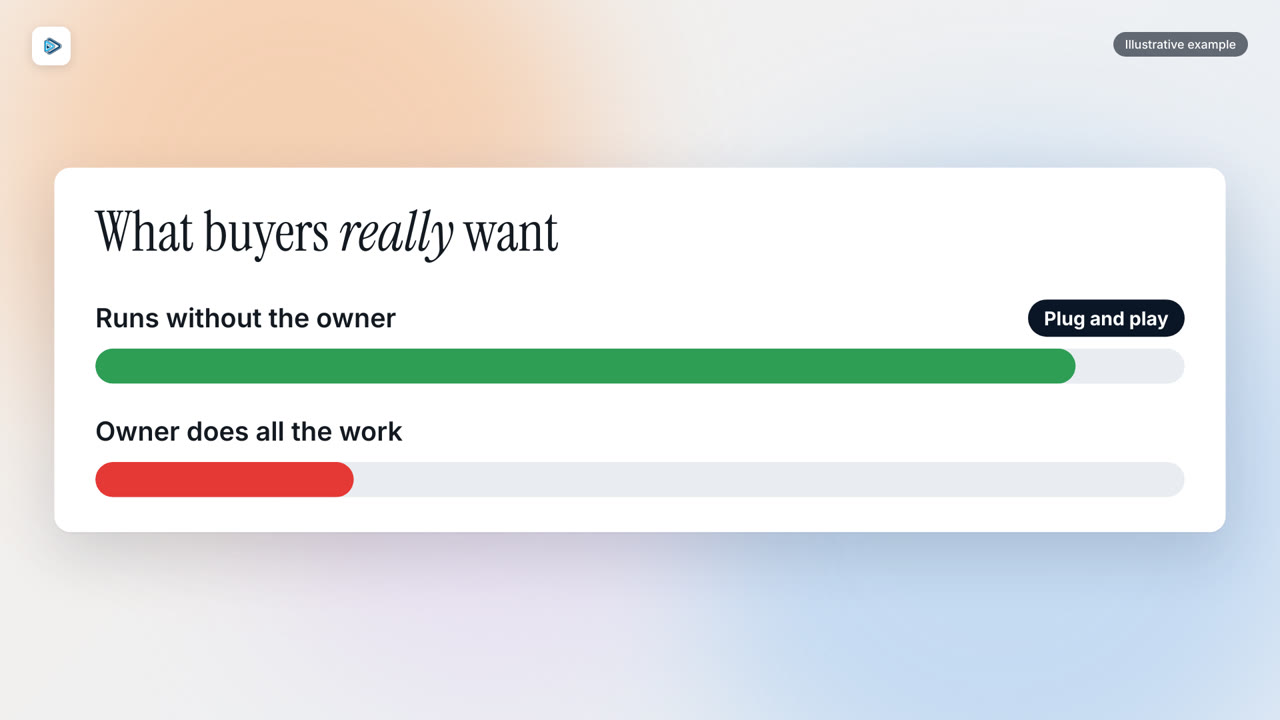
Short answer: buyers want something plug and play, not a business that only works while the owner does all the work. Value it, get yourself out of the daily work, write everything down and transfer your accounts the right way. Then make sure you can show a system that brings in leads.
The mindset comes first. The same things that make a business easy to sell also let you step back and keep it. Nobody buys a business that depends on one exhausted owner, and you probably don’t want to be that owner anyway.
Step 1: Know your value
Before you market anything, find out what the business is worth. The SBA says to value your business before you market it. It also makes clear that value is more than equipment and property. In its words, this “can include intangible assets like brand presence, intellectual property, customer information, and projection of future revenue.” You can read it in the SBA guide to closing or selling a business.
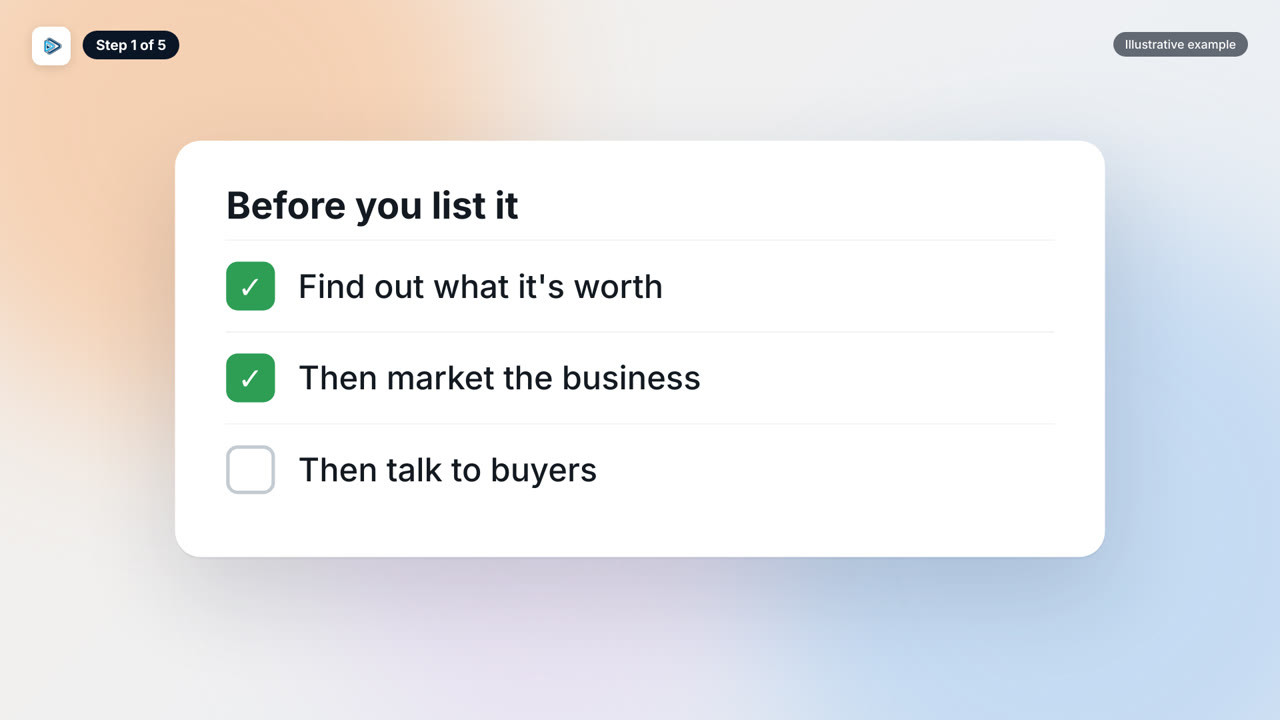
For a plumbing company, that means your customer list matters just as much as your trucks. So do your brand and the revenue a buyer can expect going forward. The SBA also says valuation methods vary, and you can do your own evaluation or hire a qualified business appraiser. I’d bring in a professional, because professionals can value the business for you properly. Do this first, so you know what you’re building toward.
Step 2: Hand off the daily work
A sellable business has a project manager overseeing the technicians instead of you. That is the biggest shift on this list, and it’s the one that gives you your time back. Every task someone else takes over is a day you get back. A buyer sees a business that keeps running when you step away.
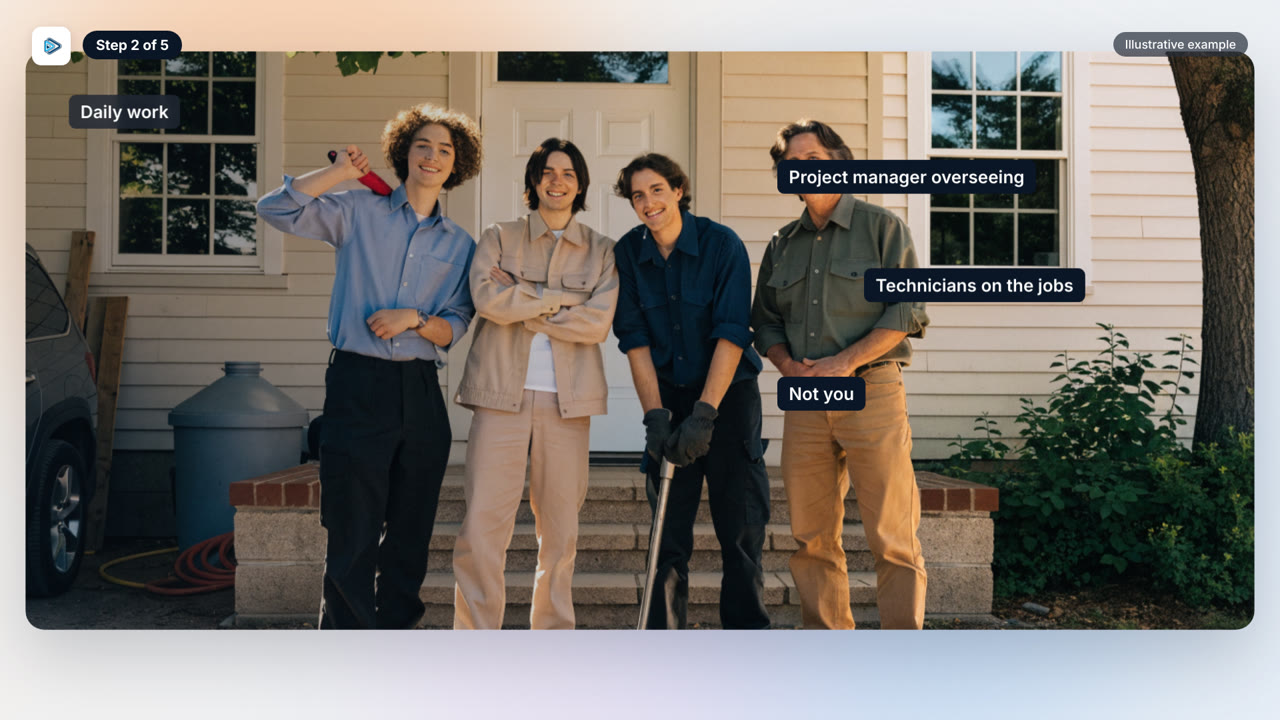
You can start inside Google. Per Google’s Business Profile help, “Additional owners and managers can help you handle daily operations. They can edit info, respond to reviews, and manage posts.” Add your office staff or manager so replying to reviews and managing posts stops landing on you. It’s a small first step toward stepping back, and it shows a buyer the business doesn’t need you for every task.
Step 3: Write it down
If the way you run the business lives only in your head, a buyer is buying a risk. Start with SOPs for hiring and training, so a new technician can learn the job without you standing next to them. Written procedures are what make the business transferable.
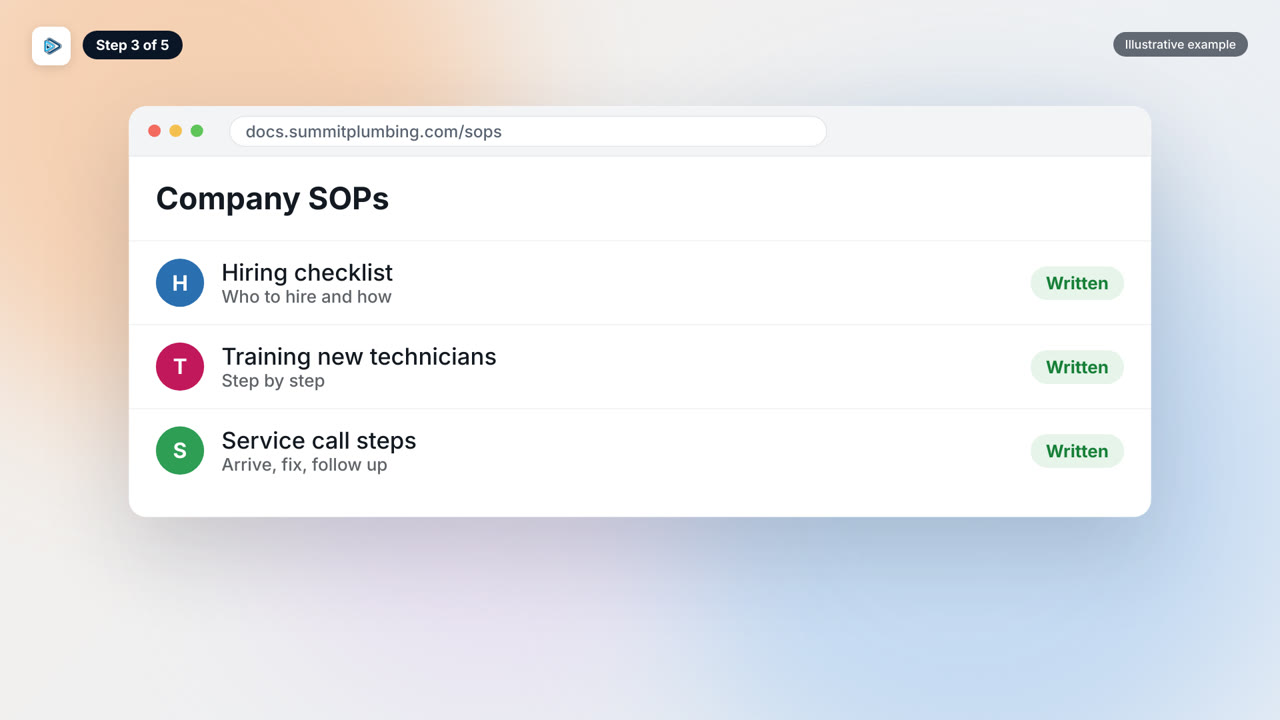
A turnkey business has more than procedures. It has its own vehicles, its own marketing and repeat customers. It also has a new client acquisition system, along with the project manager overseeing the technicians from step two. When a buyer looks at it, they should see something that runs without you in the middle. Think of it as building a business someone else could pick up on Monday morning and run.
Step 4: Transfer your accounts
Google Business Profile, Ads and other accounts are sold by transferring ownership. You add the new user as primary owner, then remove yourself. Get the order right, because it protects what you’ve built.
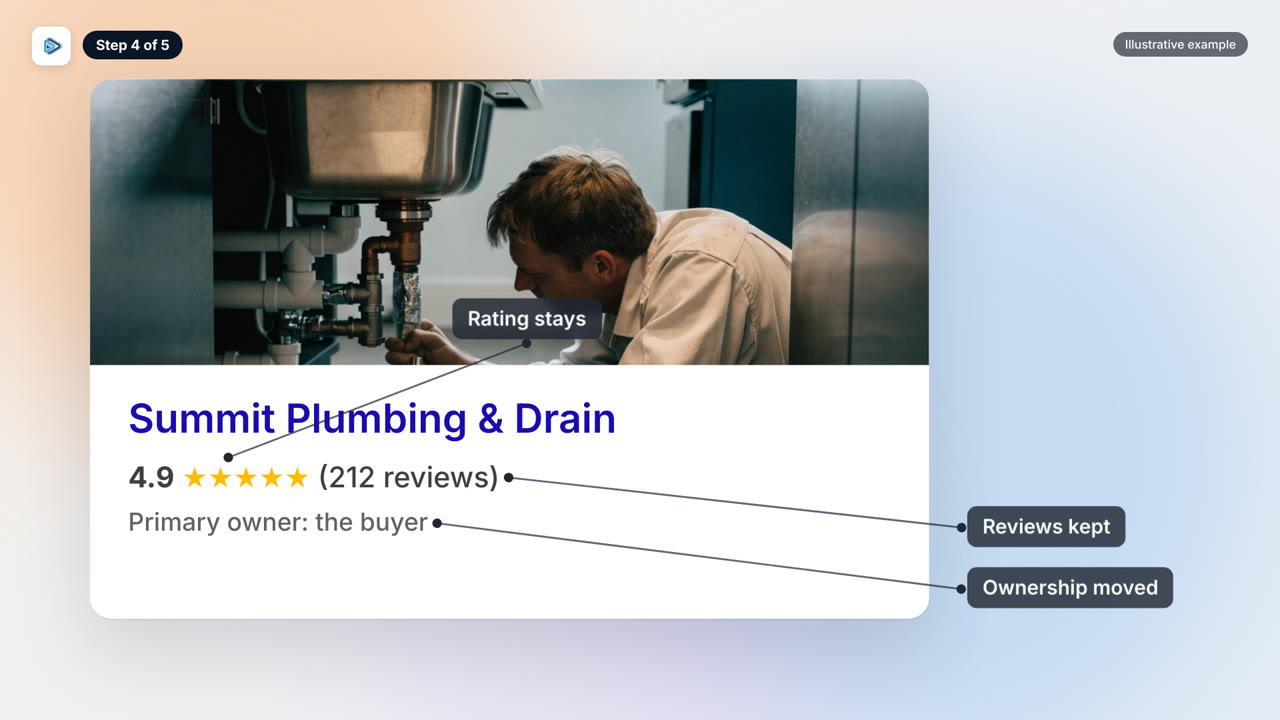
- Business Profile: Google says to make sure you’re “transferring primary ownership of your Business Profile to the new owner.” That keeps your reviews.
- Timing: A new owner “must wait seven days before they can manage all the features,” so add the buyer at least a week before closing. You also can’t remove yourself until primary ownership has moved.
- Google Ads: Invite the buyer’s email as Admin. Once they finish the invitation, remove your own access.
- The deal itself: the SBA says you need a written sales agreement, and “An attorney should review it to make sure it’s accurate and comprehensive.”
Step 5: A lead system
Here is the step I promised. Nobody buys a business that doesn’t show consistent growth and consistent leads. When you sell, you’re selling a system, not just accounts. The Google accounts from step four are only the container. What the buyer pays for is whatever reliably fills the schedule.
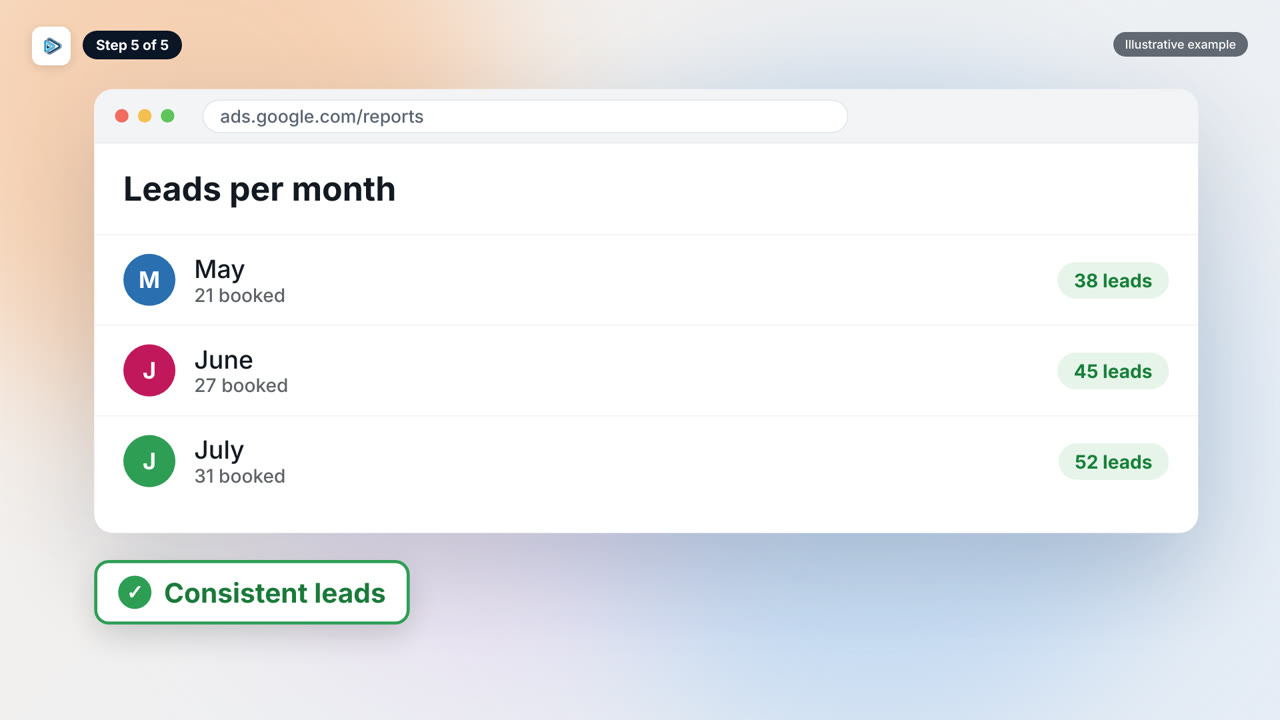
So build a system that reliably brings in leads and can show it. Knowing how to make the phone ring is the skill behind everything else on this list. It’s also what gives you options. With that system you can sell a percentage, expand to other cities or work remotely. You are no longer stuck choosing between the daily grind and walking away. A buyer will look for proof, so keep your lead numbers where you can show them.
Time sensitive: Local Services Ads are moving to Performance Max
One more thing you need to know if you advertise on Google. Google is moving Local Services Ads into Performance Max campaigns with pay per lead goals. According to Google’s migration help page, “The first phase of the migration begins for select home and storefront service advertisers in the United States (including plumbing, HVAC, electrical, appliance repair, house cleaning, lawn care, roofing, pest control, and moving).” That phase began in August 2026.
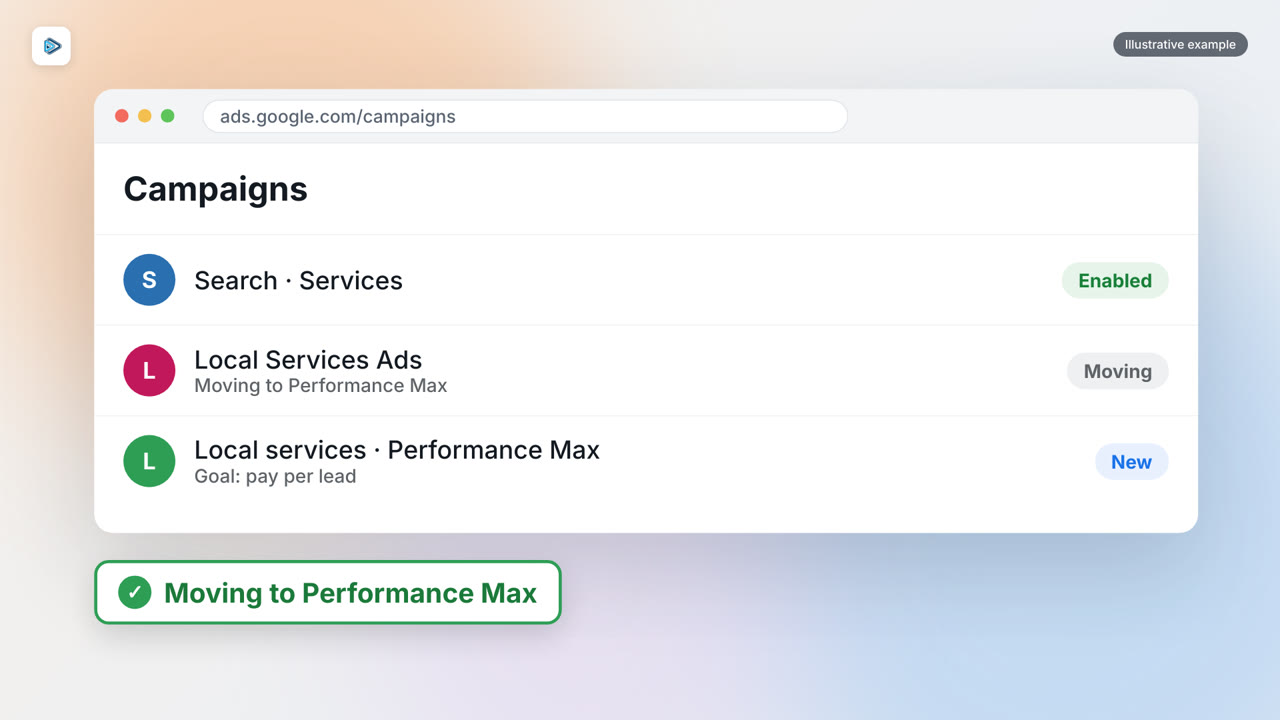
This matters for a sale. Your past lead history, including contact details, messages and call recordings, moves to the new Leads page in Google Ads. That means you can still show a buyer your lead flow after the change. Keep that history intact, because it is part of the proof from step five.